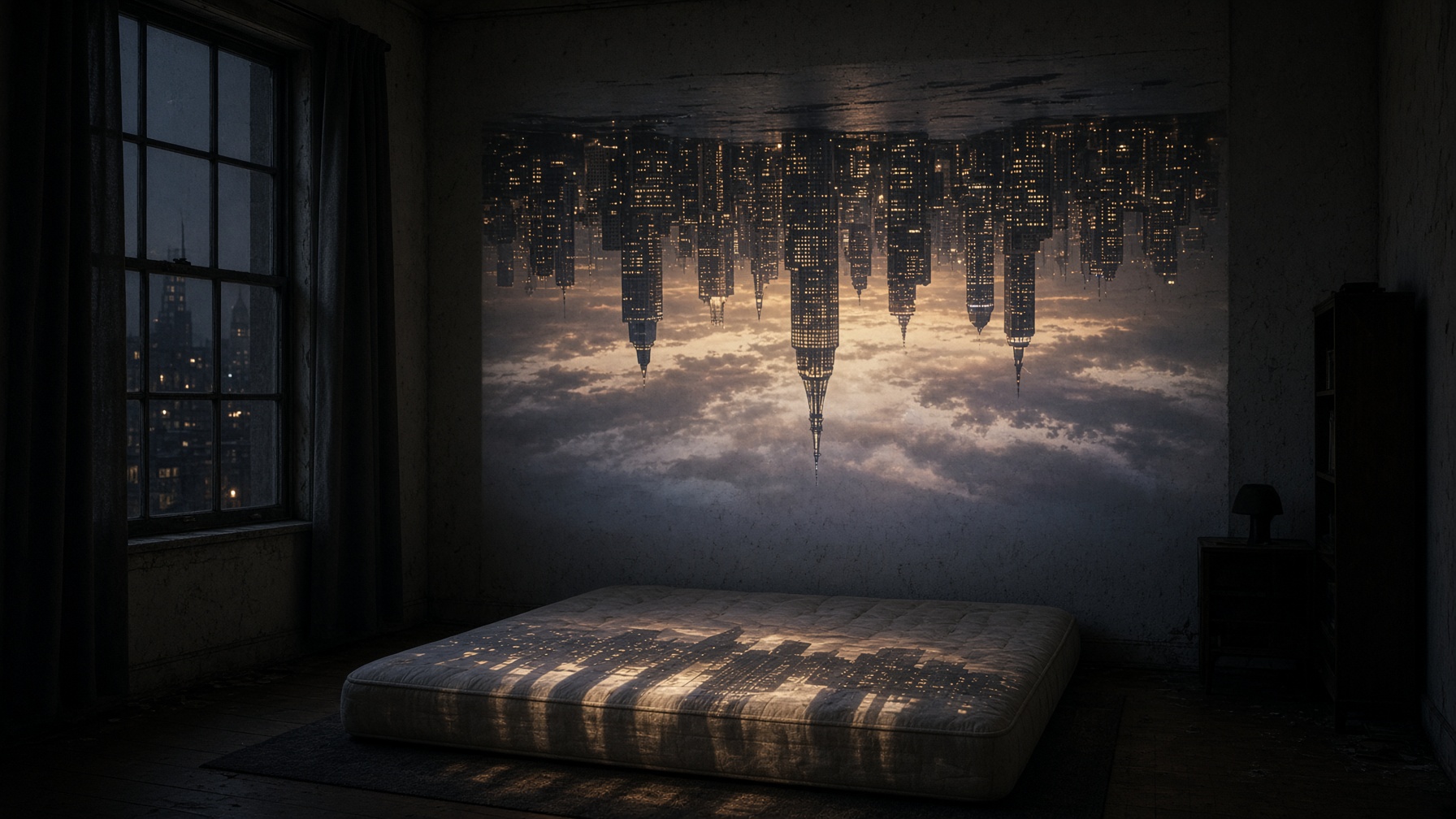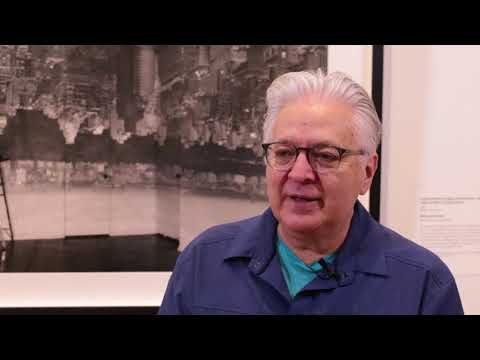
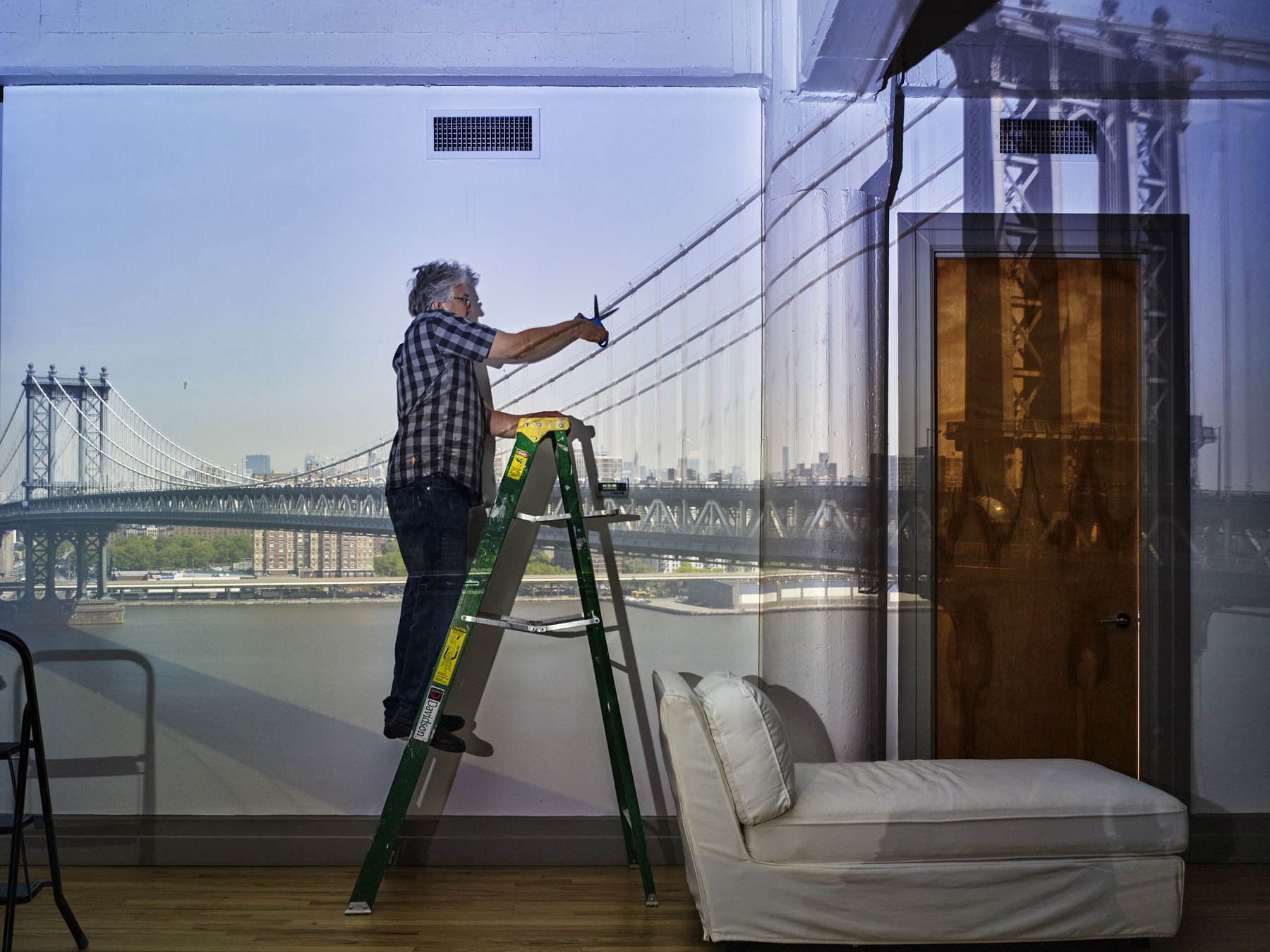
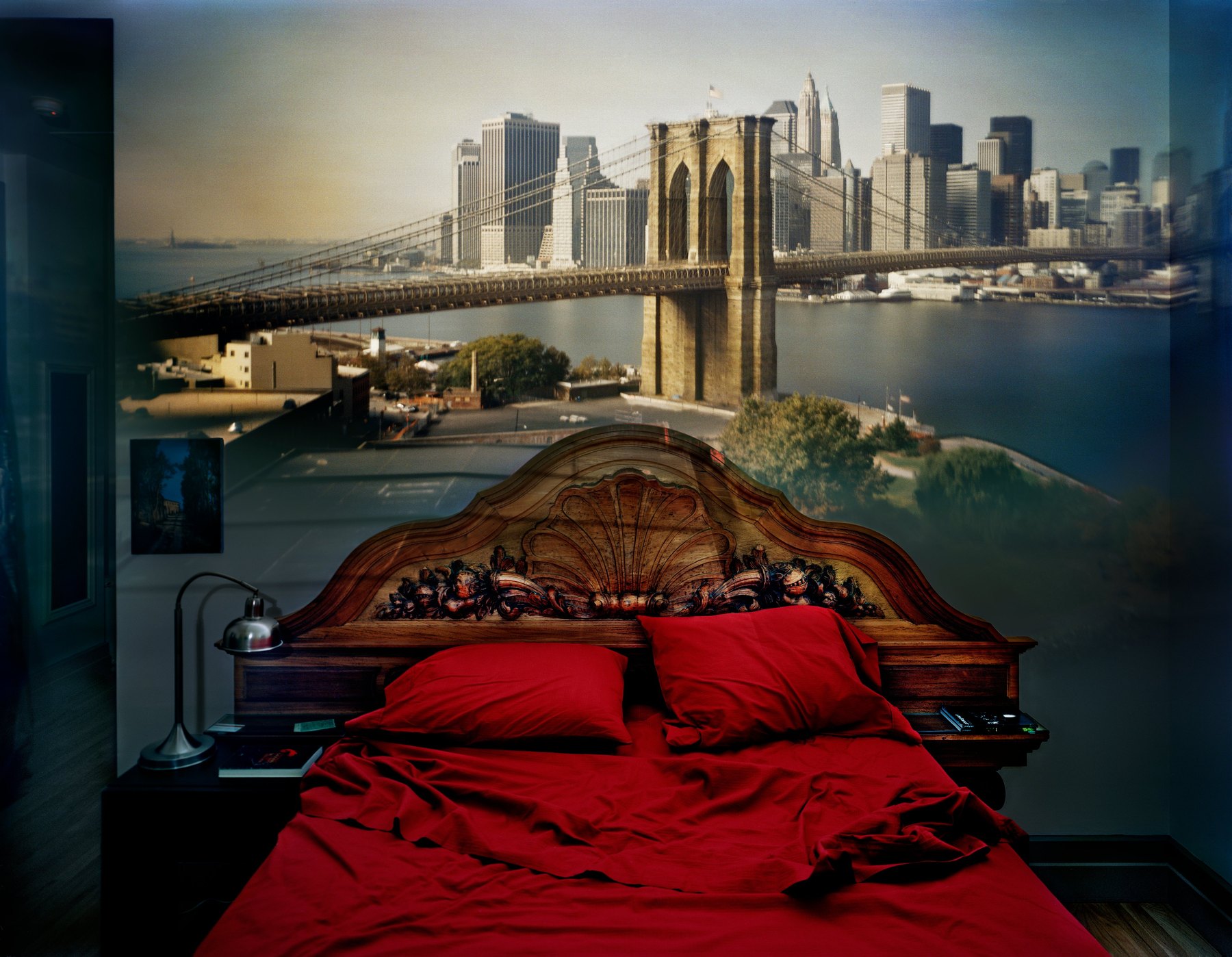
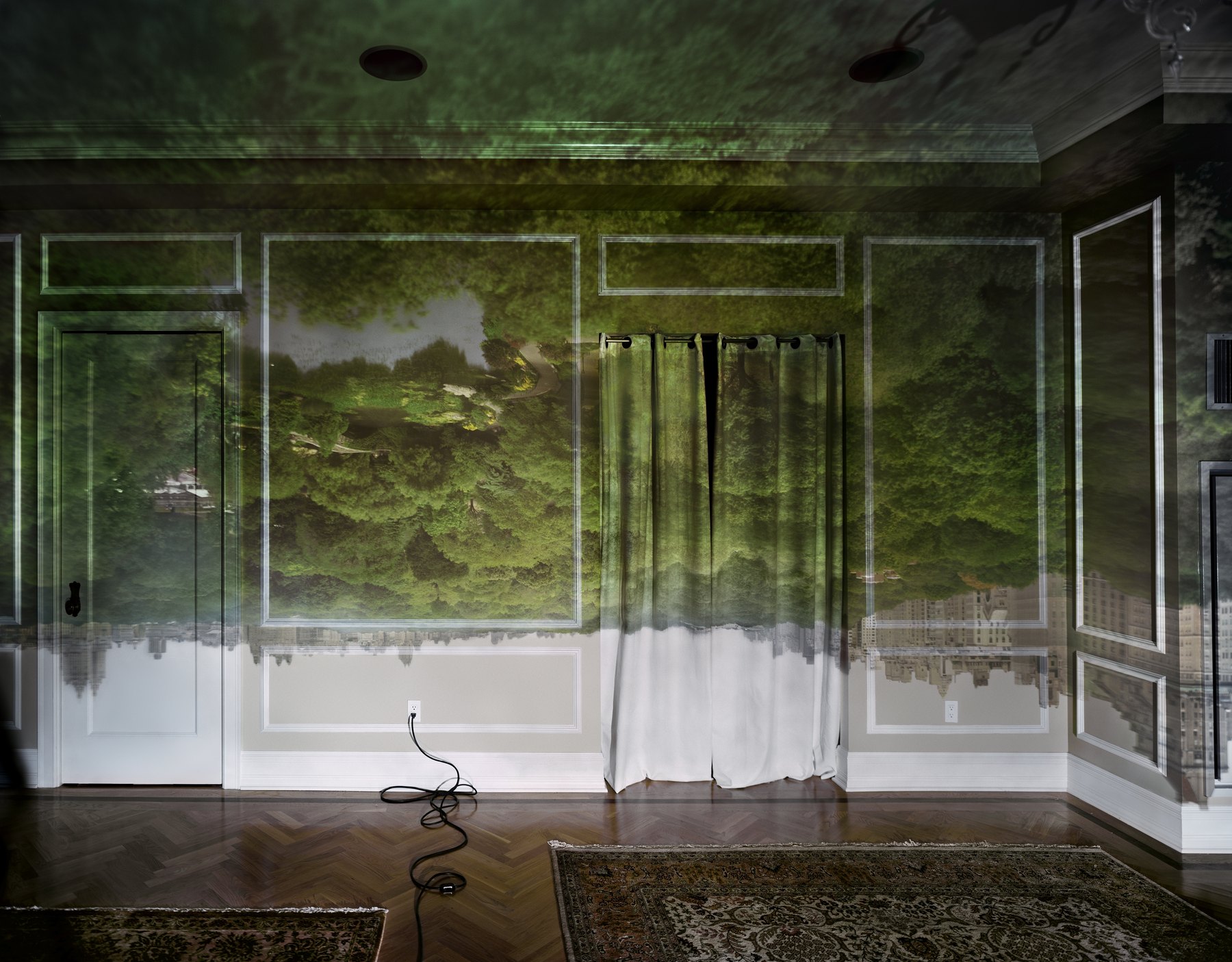
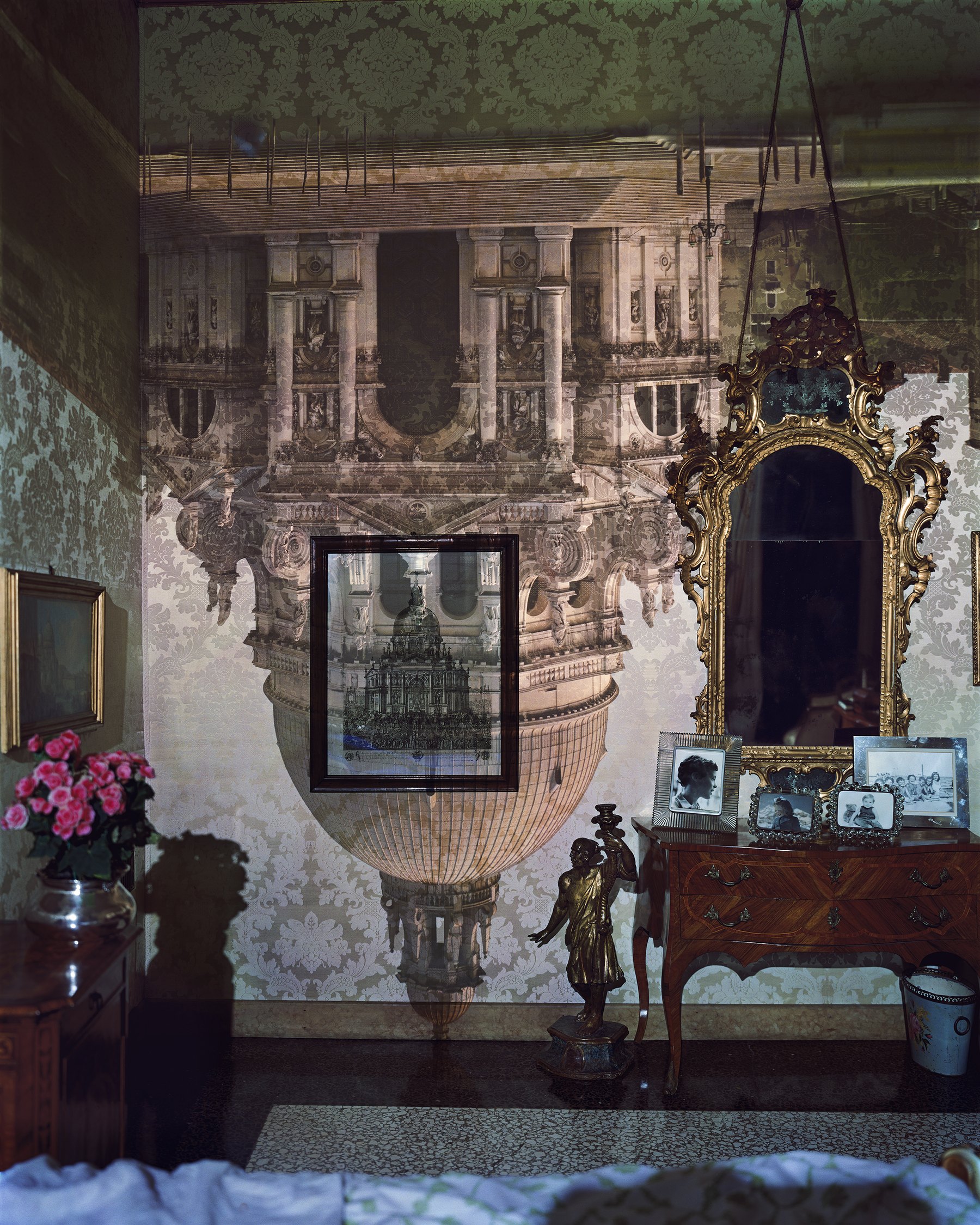
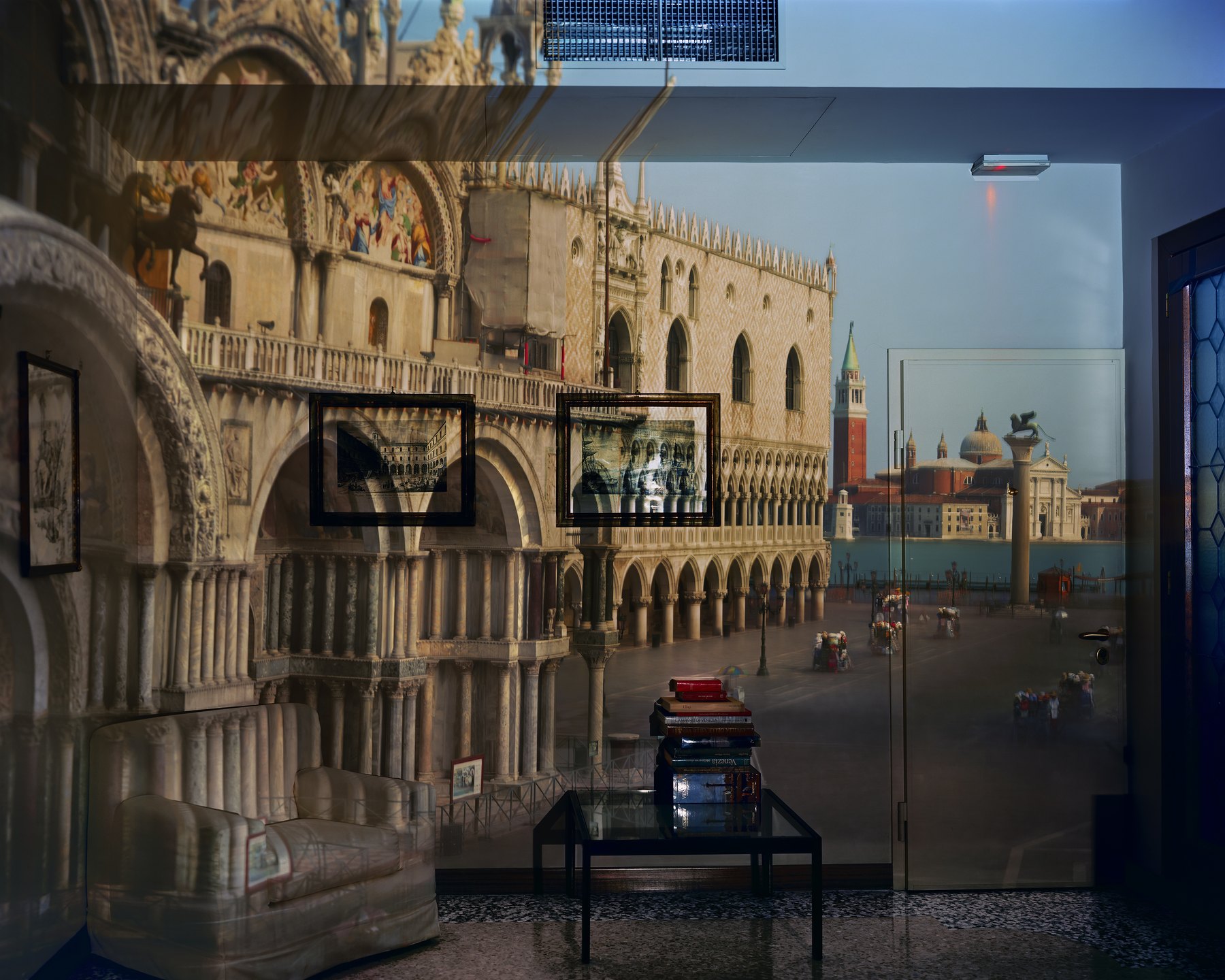
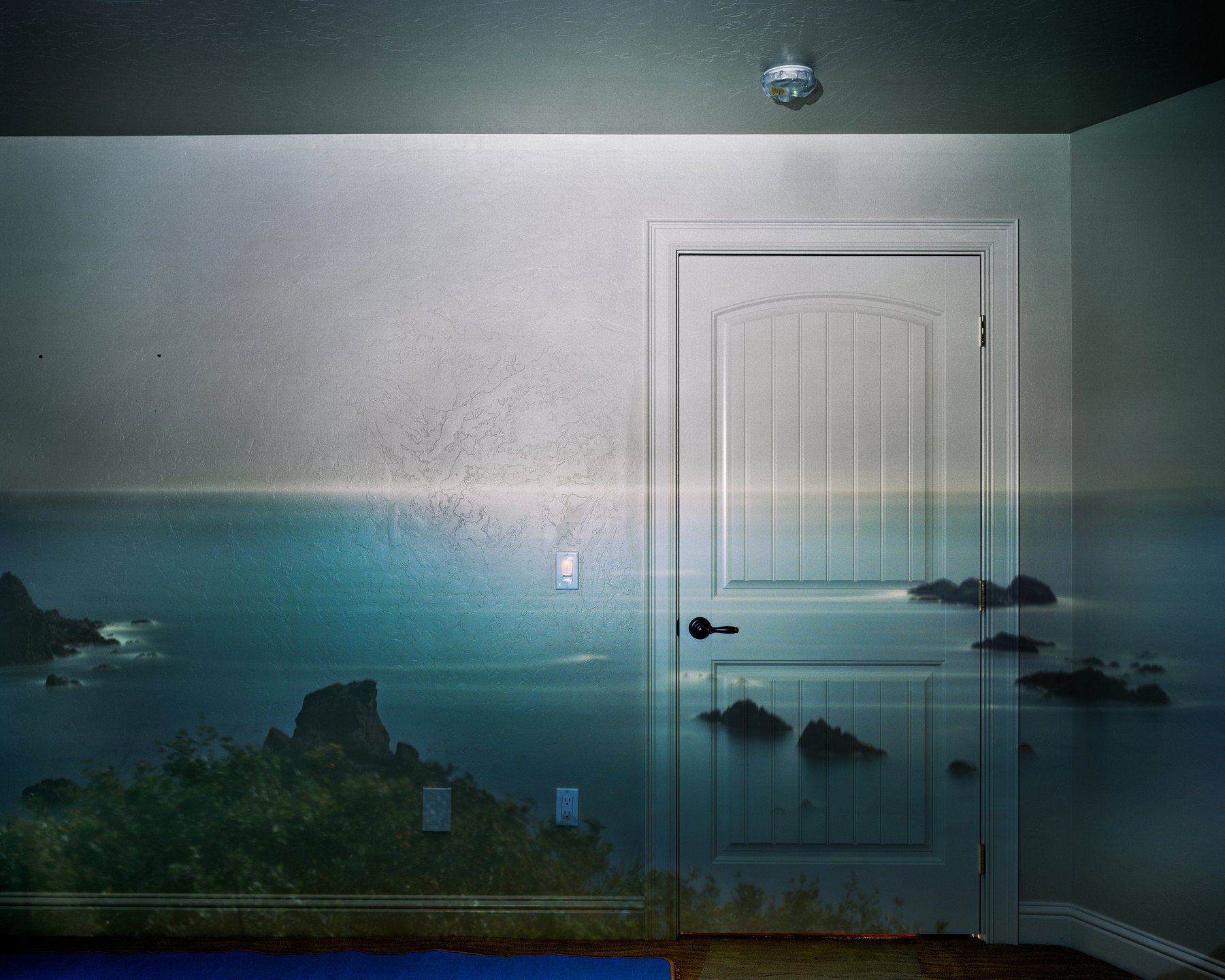
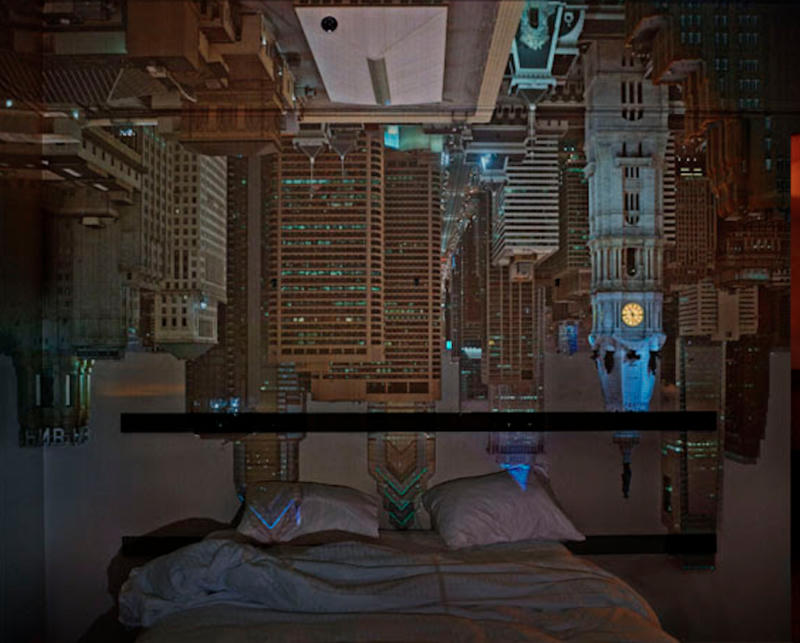
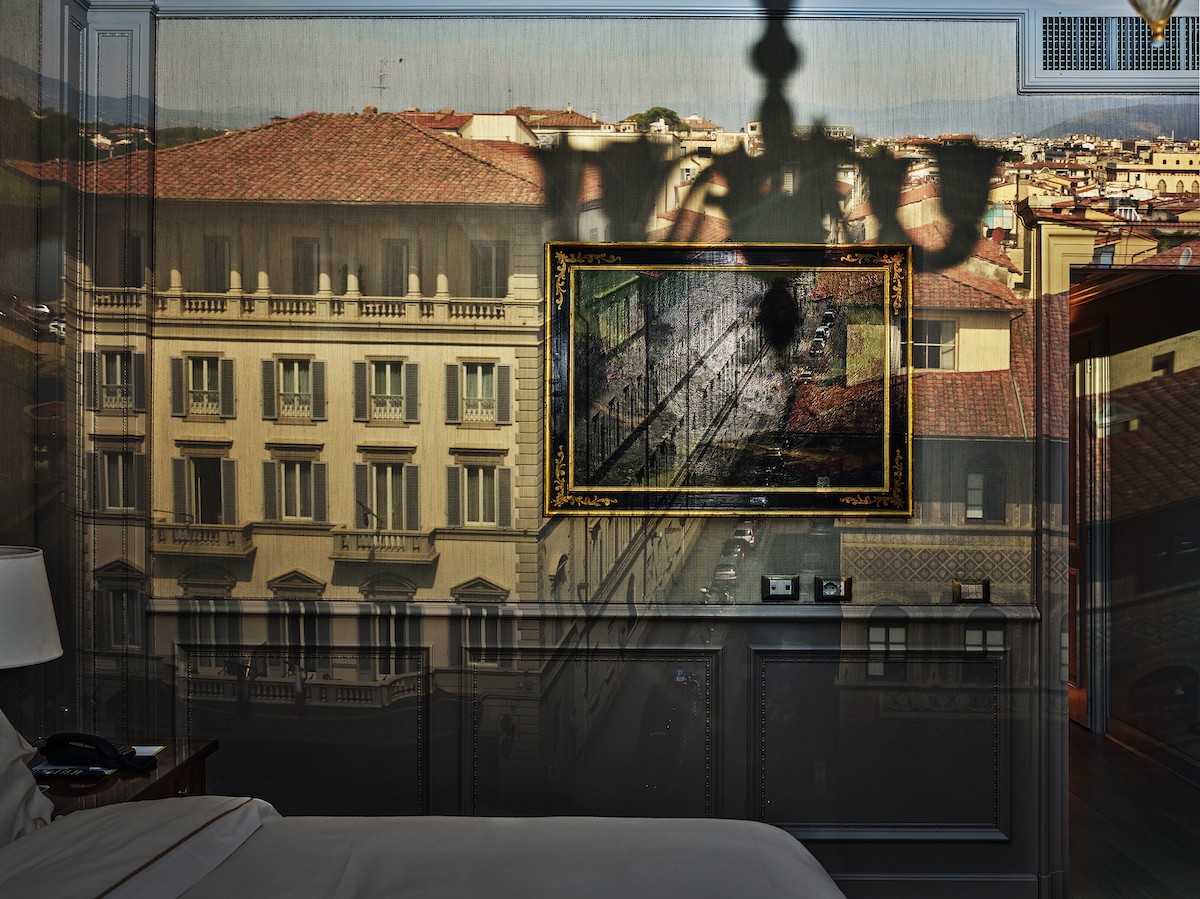
Abelardo Morell was born in Havana in 1948 and left Cuba with his parents in 1962. He took a BA at Bowdoin and an MFA at Yale, then taught photography at Massachusetts College of Art and Design for nearly three decades, chairing the department before retiring as full professor. In 1991 he blacked out his living room, left a pinhole, and let the street enter upside-down. Hotel rooms, palazzi, museums: the camera obscura series that followed is the work he is known for.
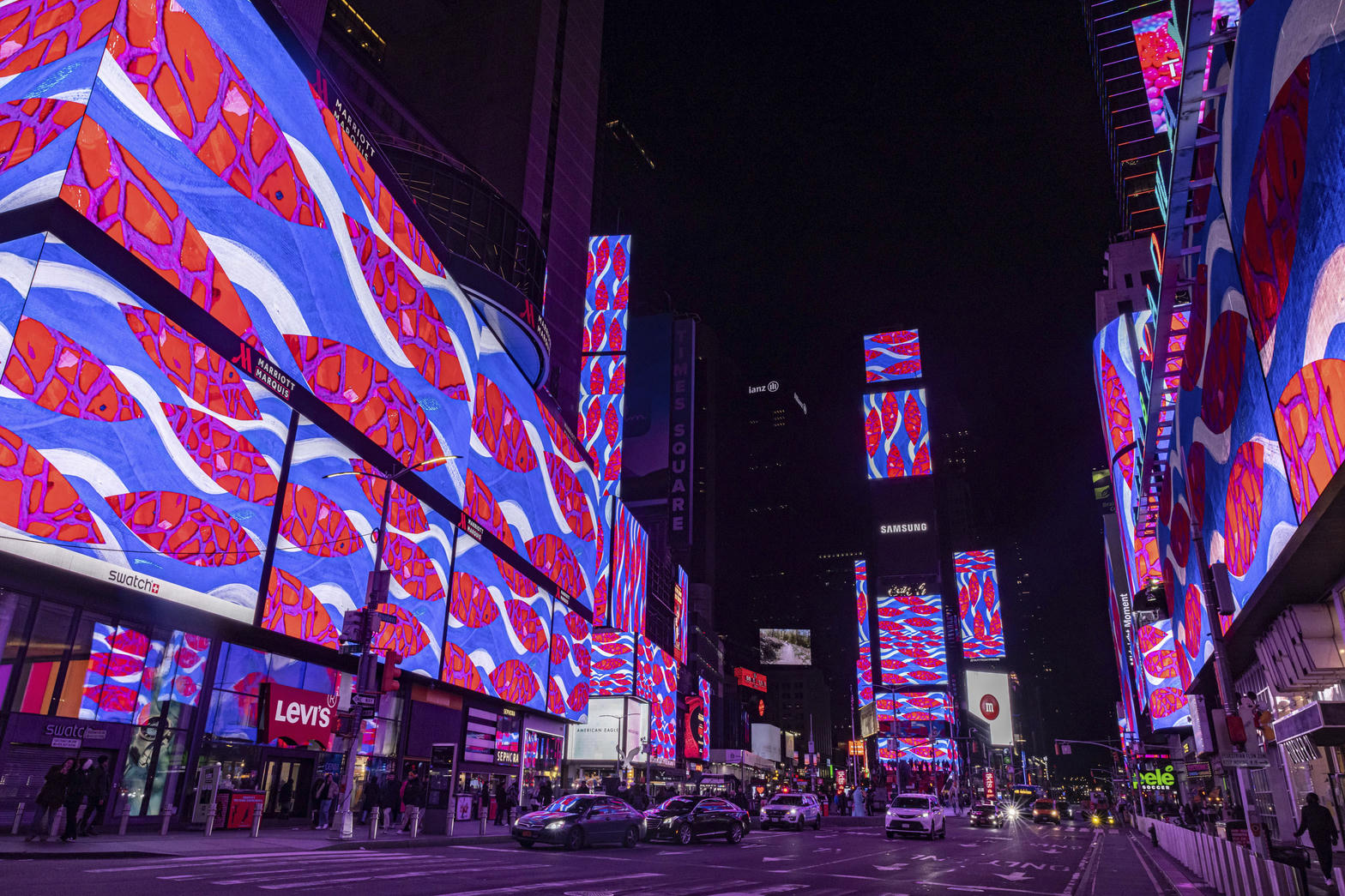
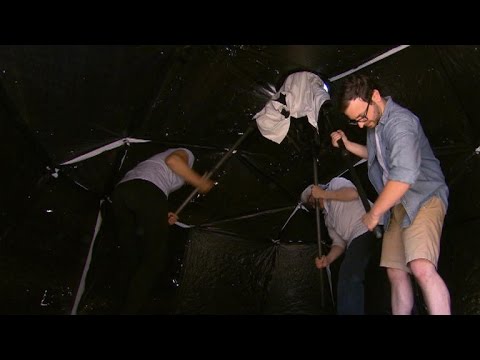
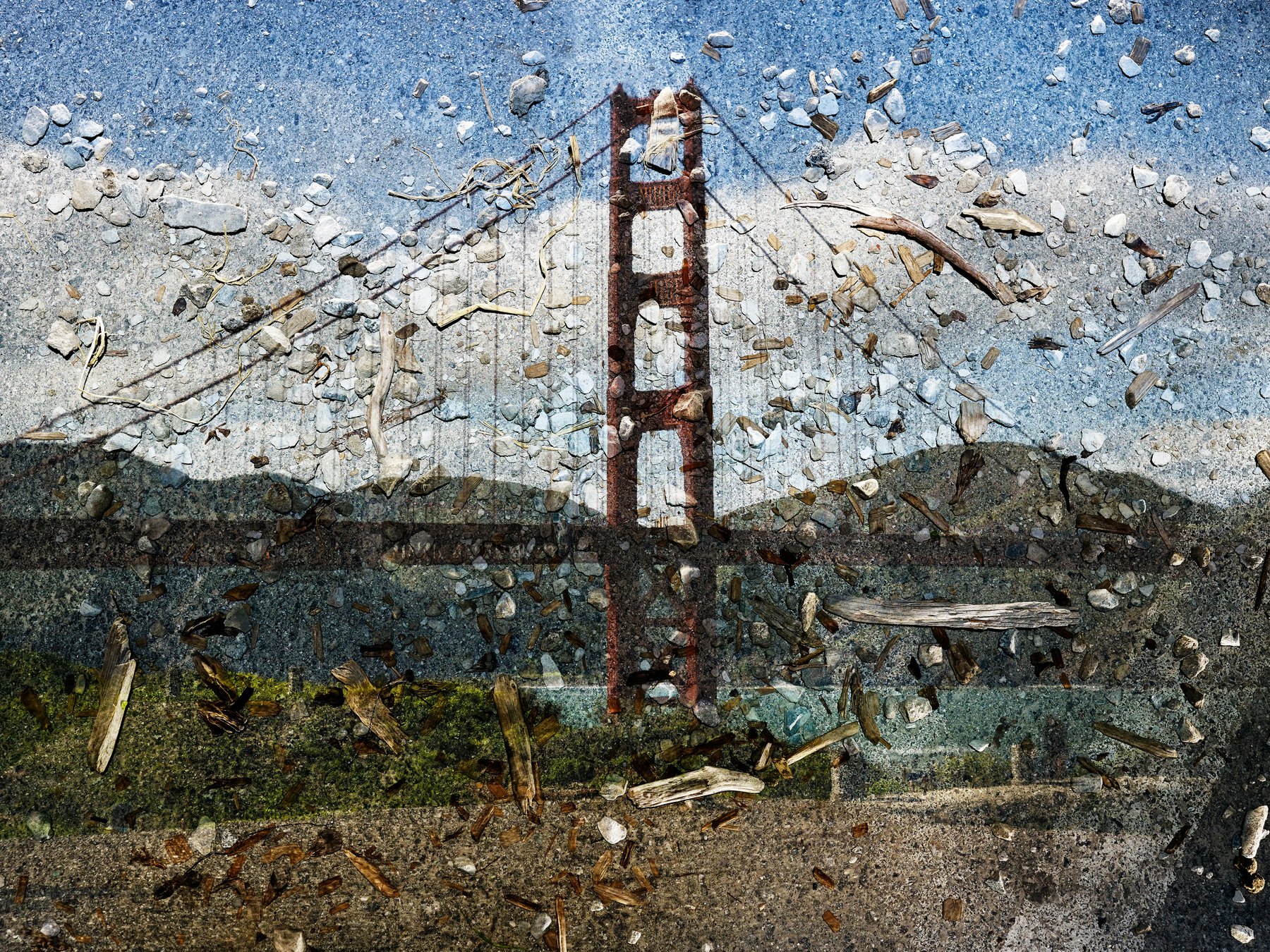
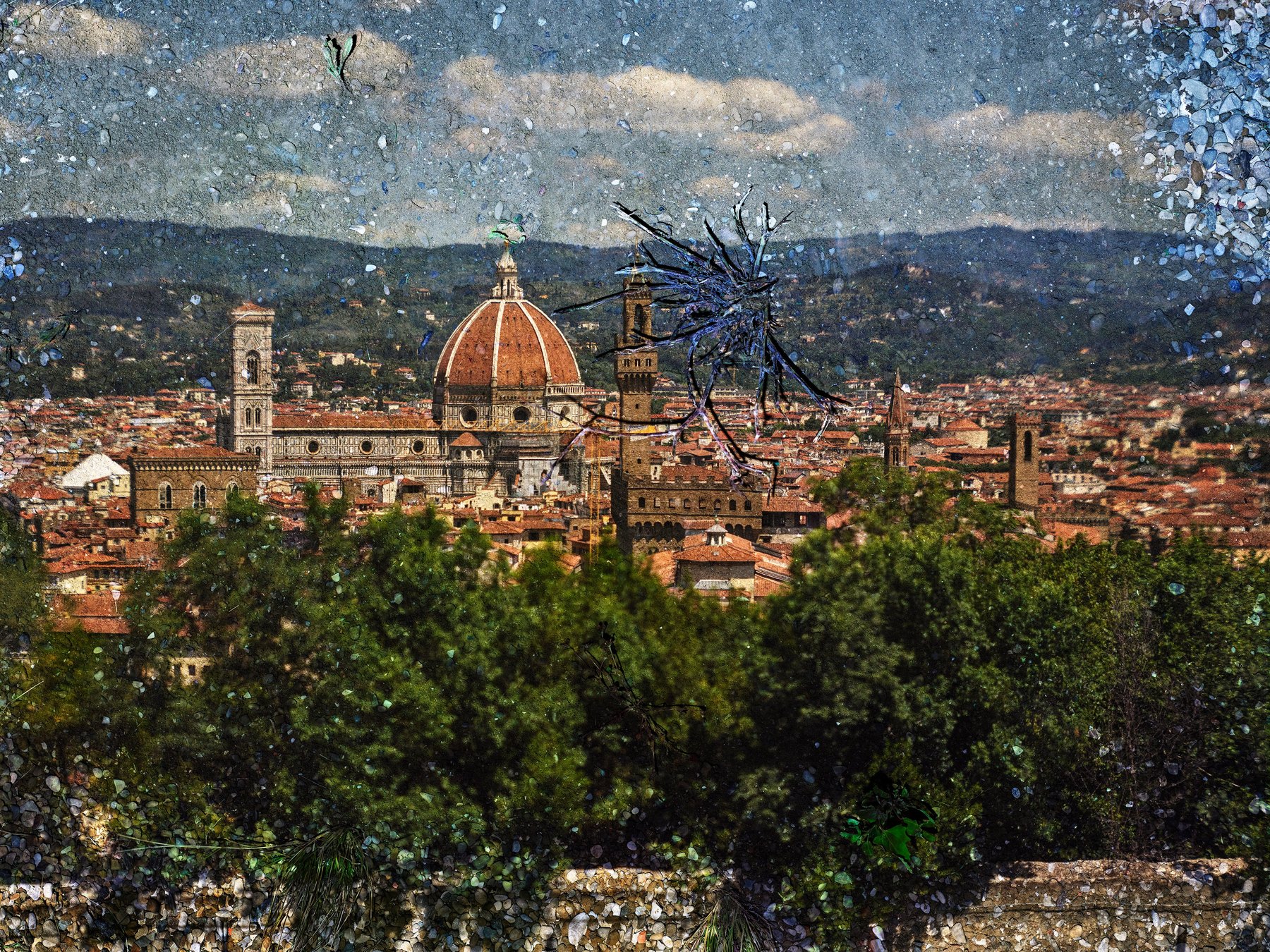
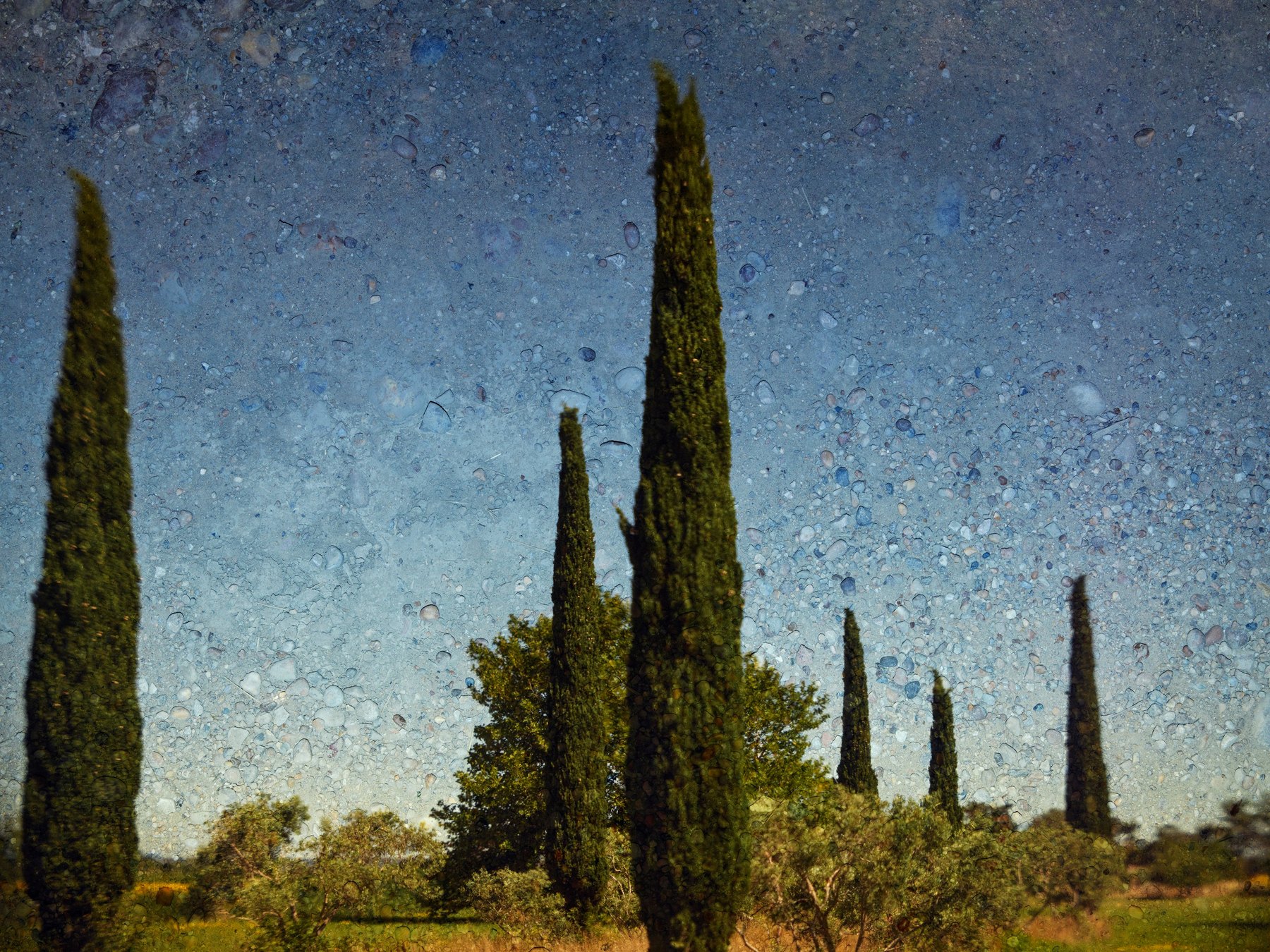
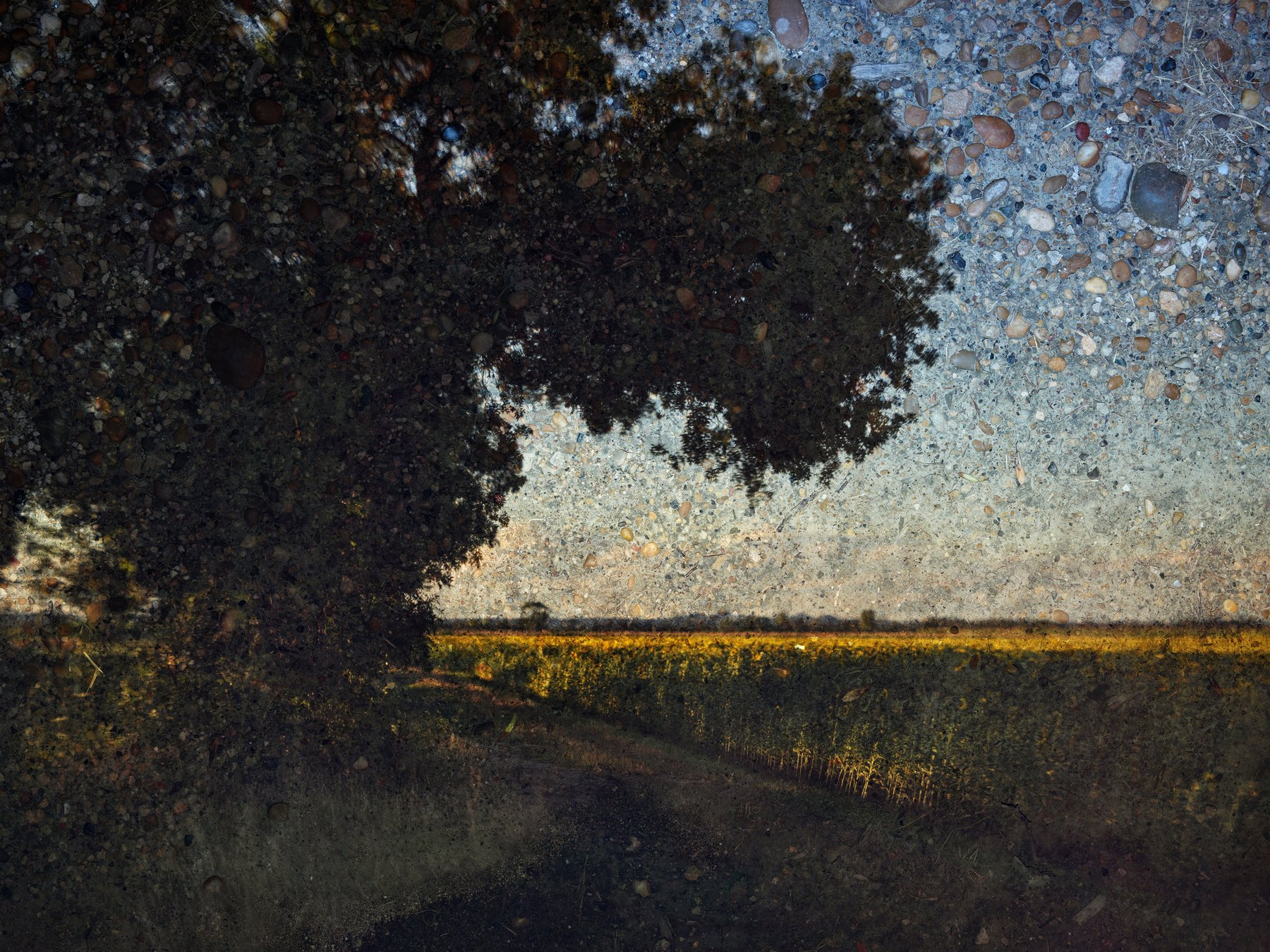
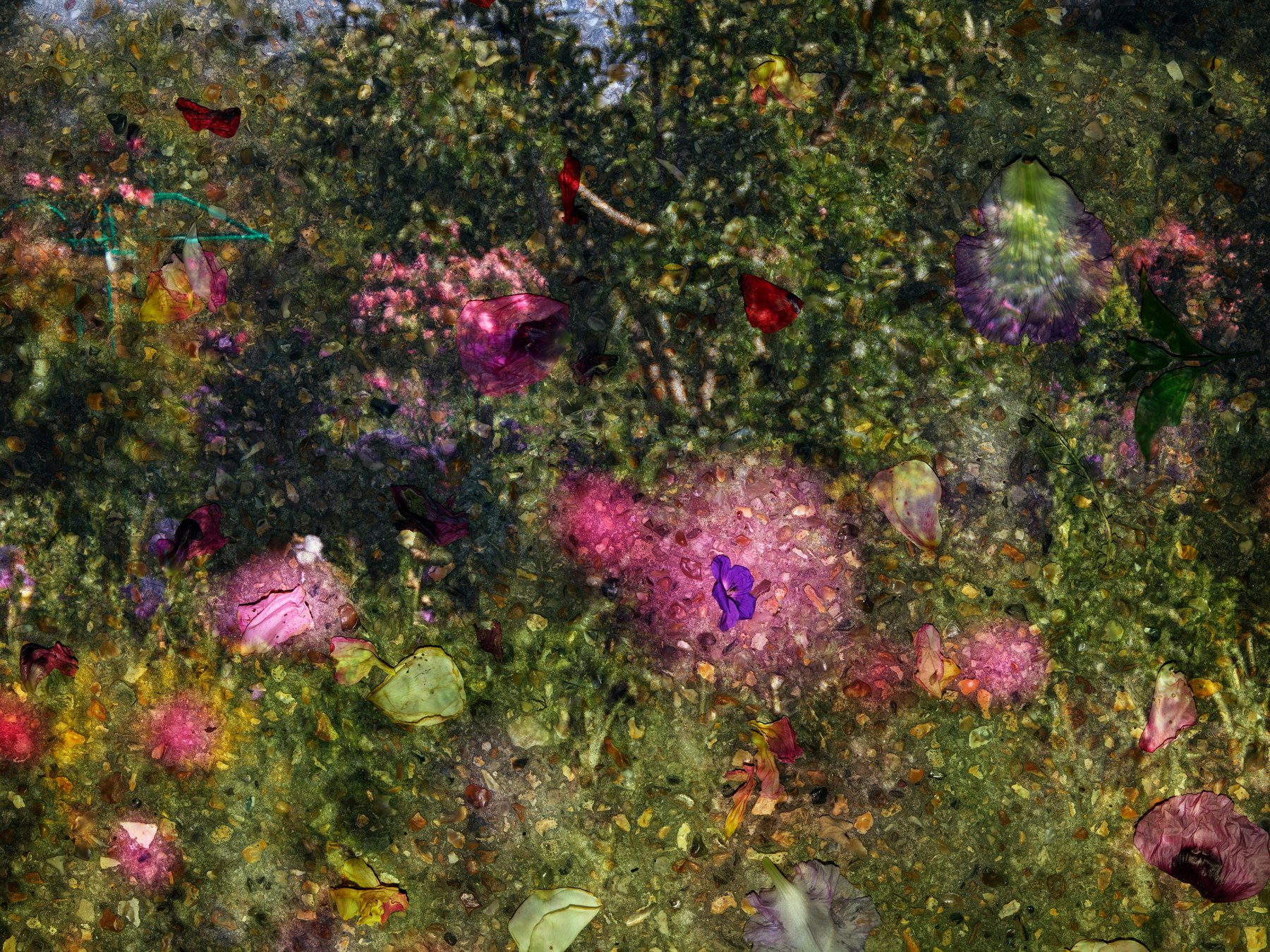
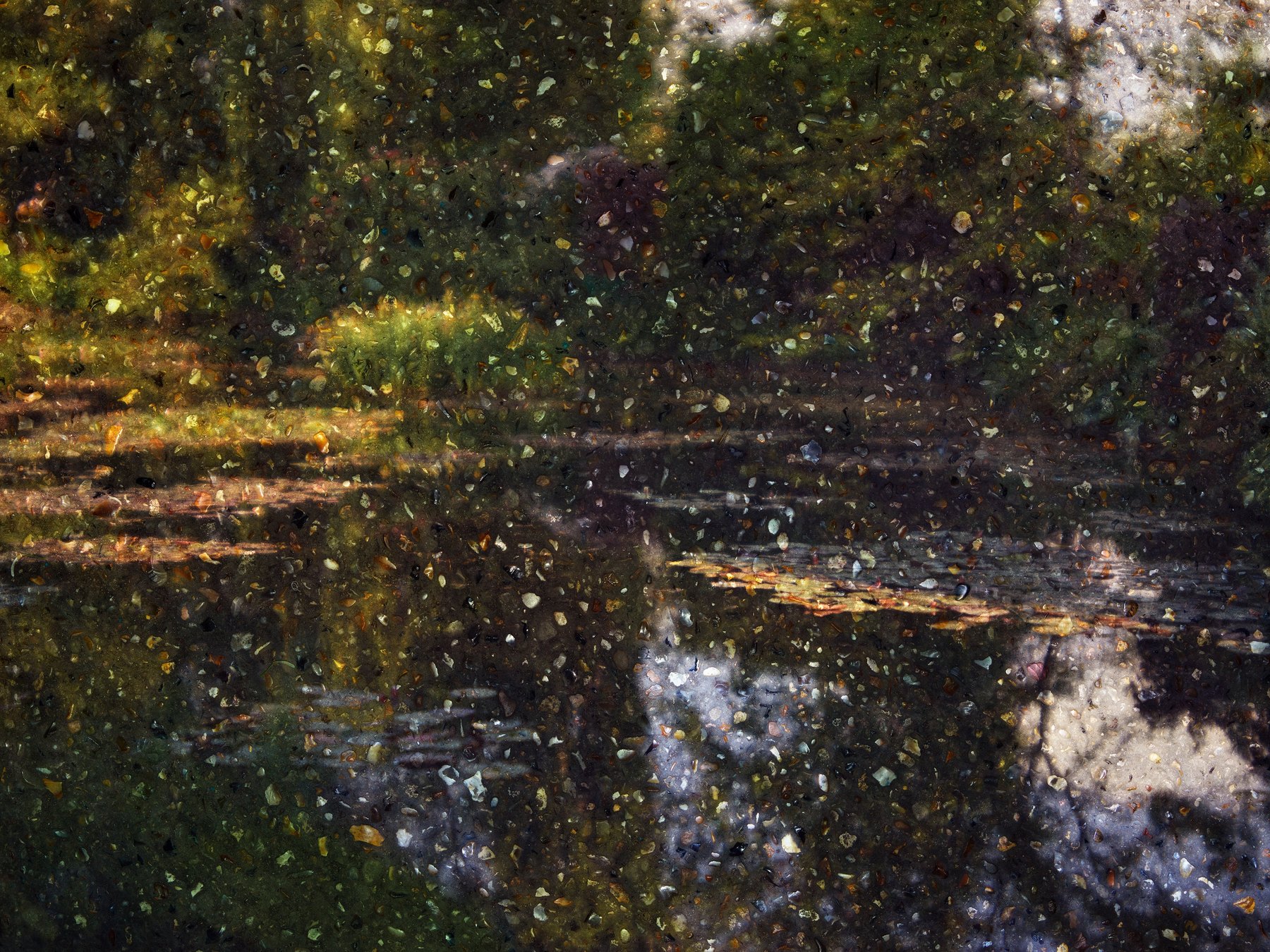
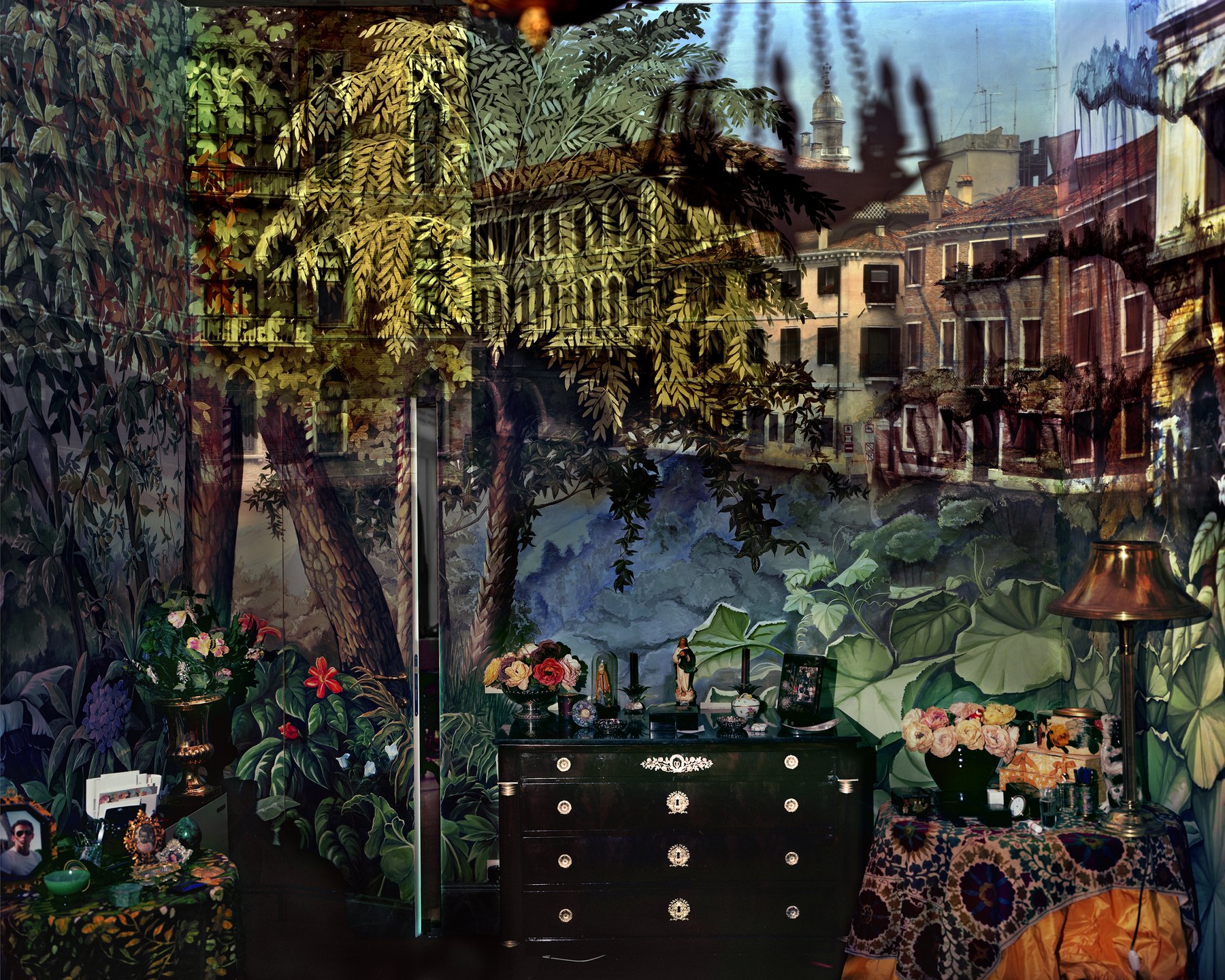
The method is older than photography. Morell's part is patience and a room. Times Square crawls across a bedspread. The Grand Canal lands on a Venetian interior. Later he built the Tent Camera, a periscope tent that projects the landscape onto the ground underfoot, scenery mixed with dirt, grass, gravel. He has taken it into the terrain of Monet, Van Gogh, Constable, and the U.S. National Parks.
Guggenheim Fellow (1993). ICP Infinity Award (2011). Lucie Award for achievement in fine art (2017). Collected by MoMA, the Whitney, the Met, the Art Institute of Chicago, SFMOMA, the MFA Boston, the V&A. A joint retrospective traveled the Art Institute, the Getty, and the High Museum. Books include A Book of Books, Camera Obscura, Tent-Camera, and Flowers for Lisa. He lives and works in the Boston area.
Abe is planning another camera obscura series in the Caribbean sometime soon and we hope to join him.