
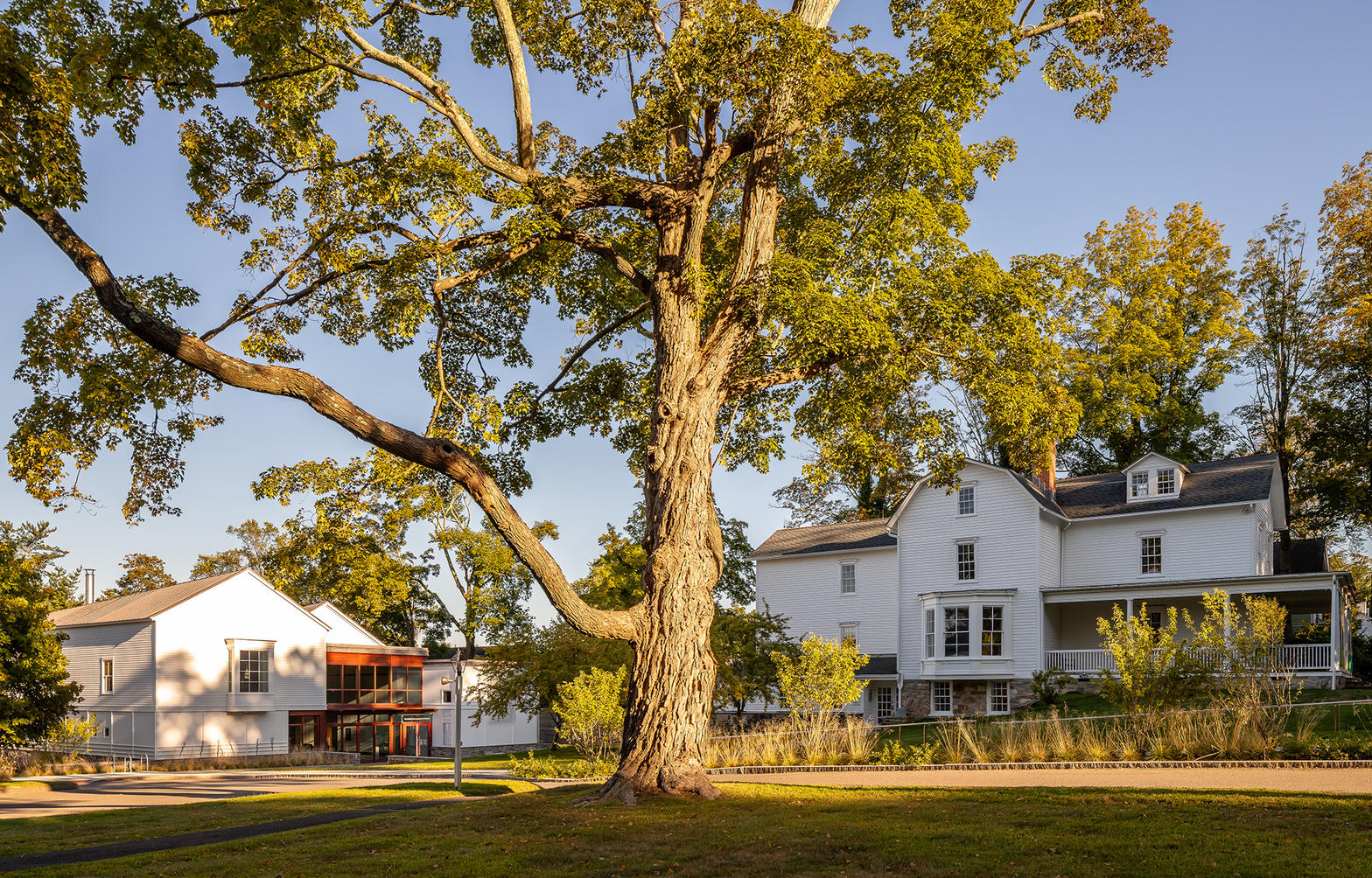
Museum · 258 Main Street, Ridgefield
The Aldrich
Connecticut's only museum devoted solely to contemporary art. No permanent collection. In Ridgefield.
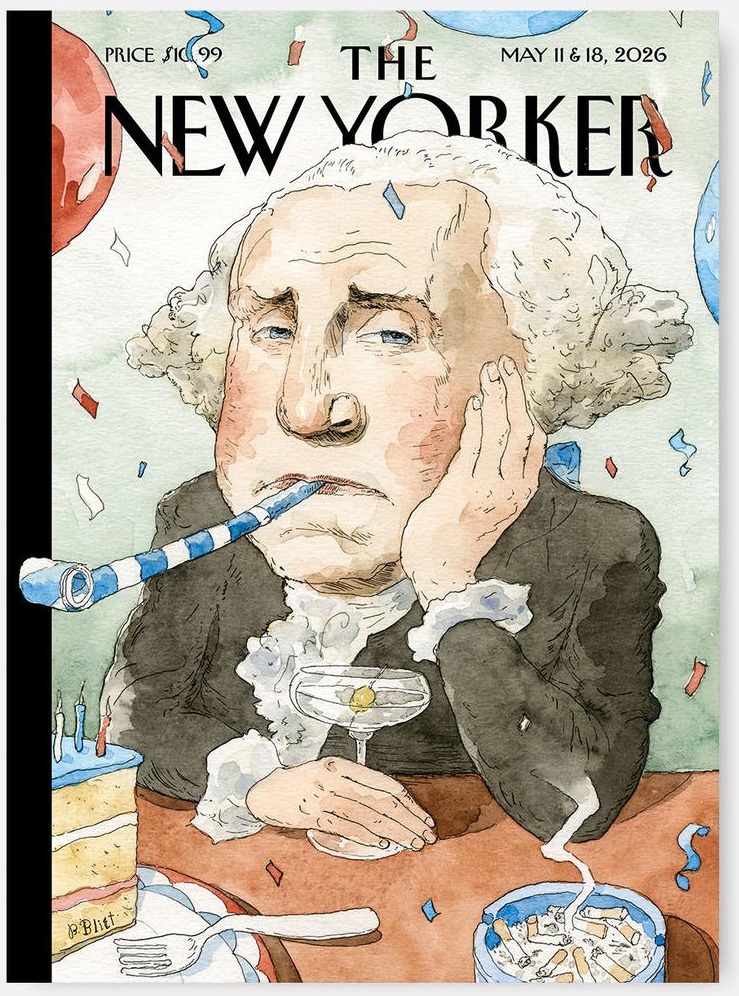
Blitt draws power as a situation, not a speech. The woods around Roxbury are full of rooms that do the same trick: a glass house that hides nothing, a contemporary museum that still looks like a house, a Yale hall that treats sculpture as furniture, and the English prints that taught a cartoon how to indict a room.
Museums, galleries, and other unique spaces.
Connecticut's only museum devoted solely to contemporary art. No permanent collection. In Ridgefield.
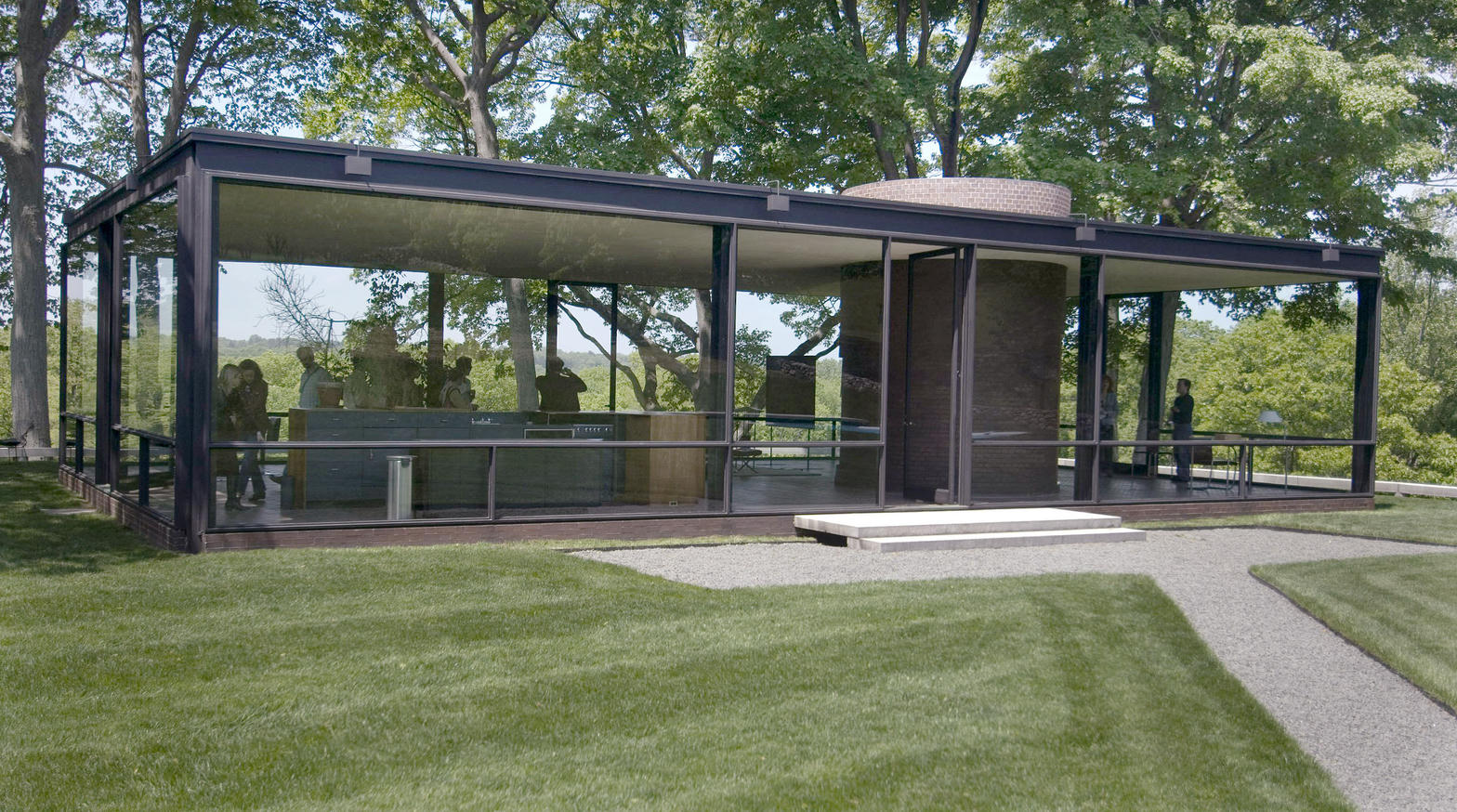
Philip Johnson's 1949 glass-and-steel house in New Canaan. Now a National Trust Historic Site. Tours by reservation.
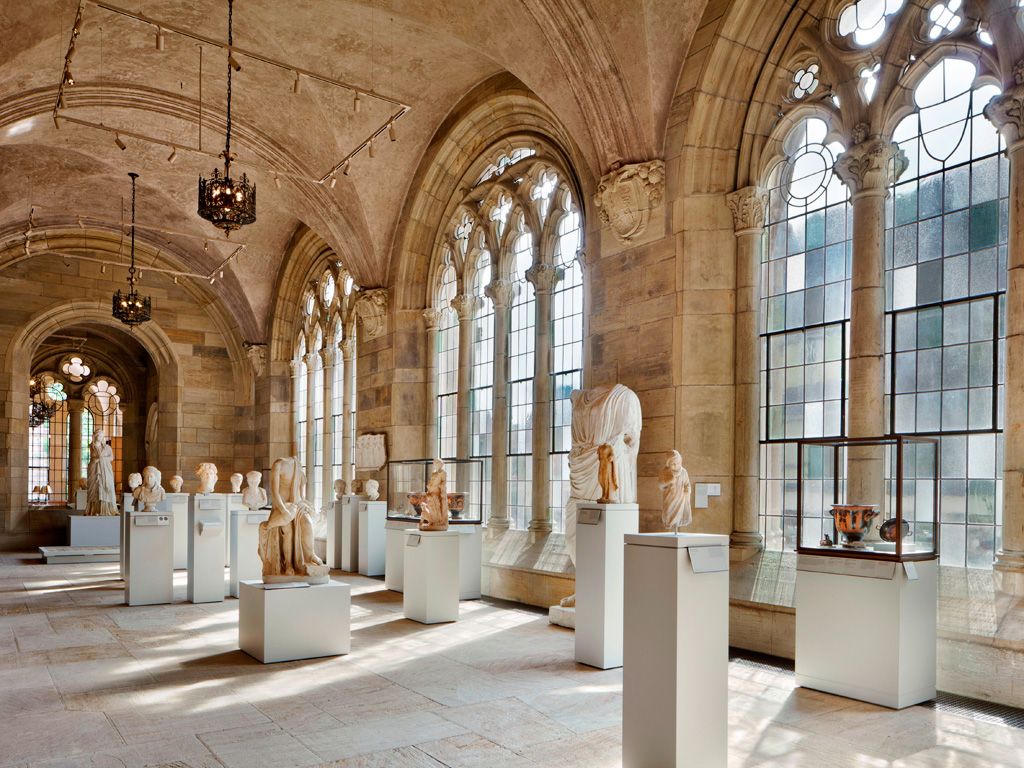
Yale's art museum on Chapel Street. Free. Collection from ancient sculpture to contemporary art.
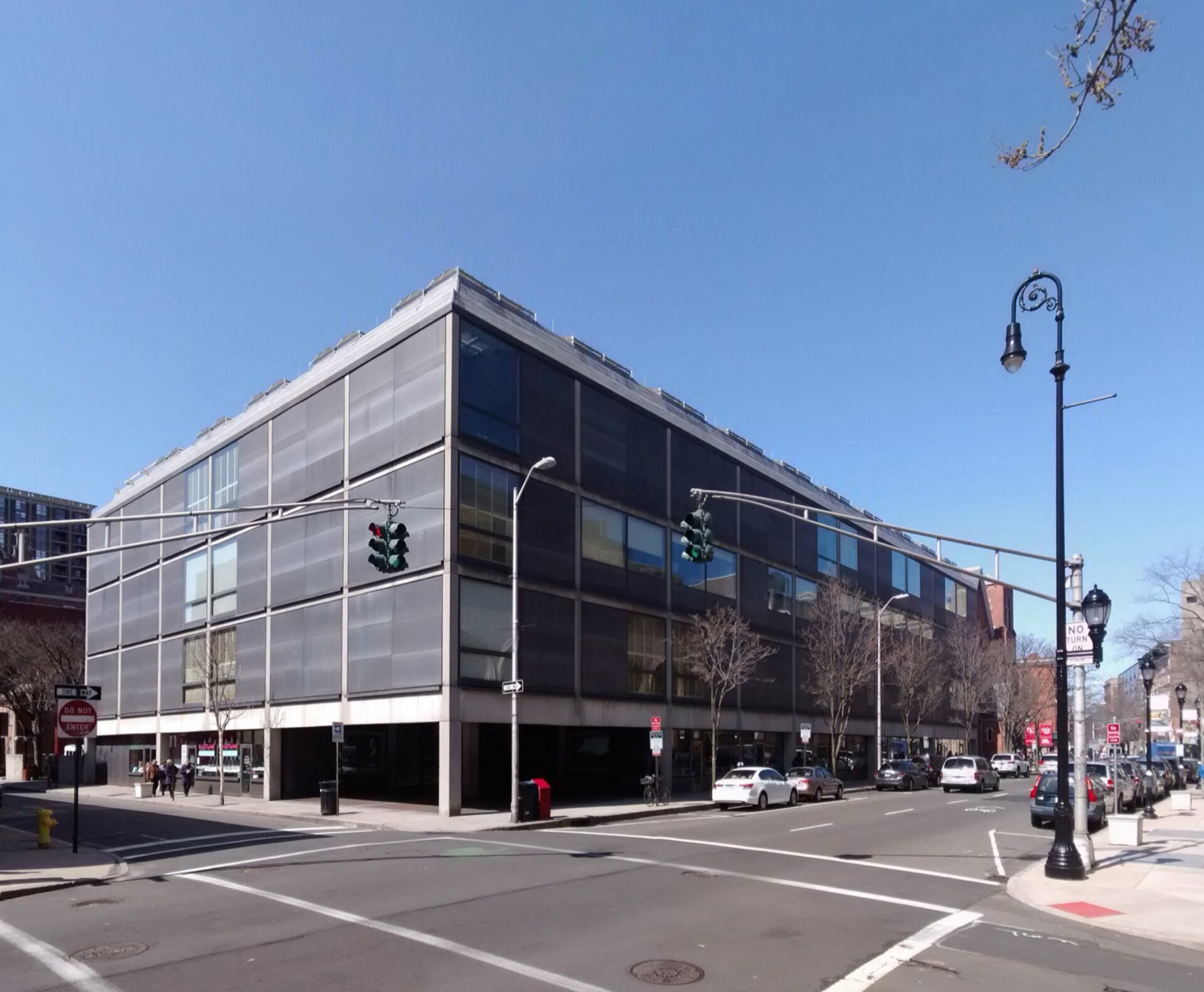
The largest collection of British art outside the United Kingdom, in Louis Kahn's building across from the Yale Art Gallery. Free.
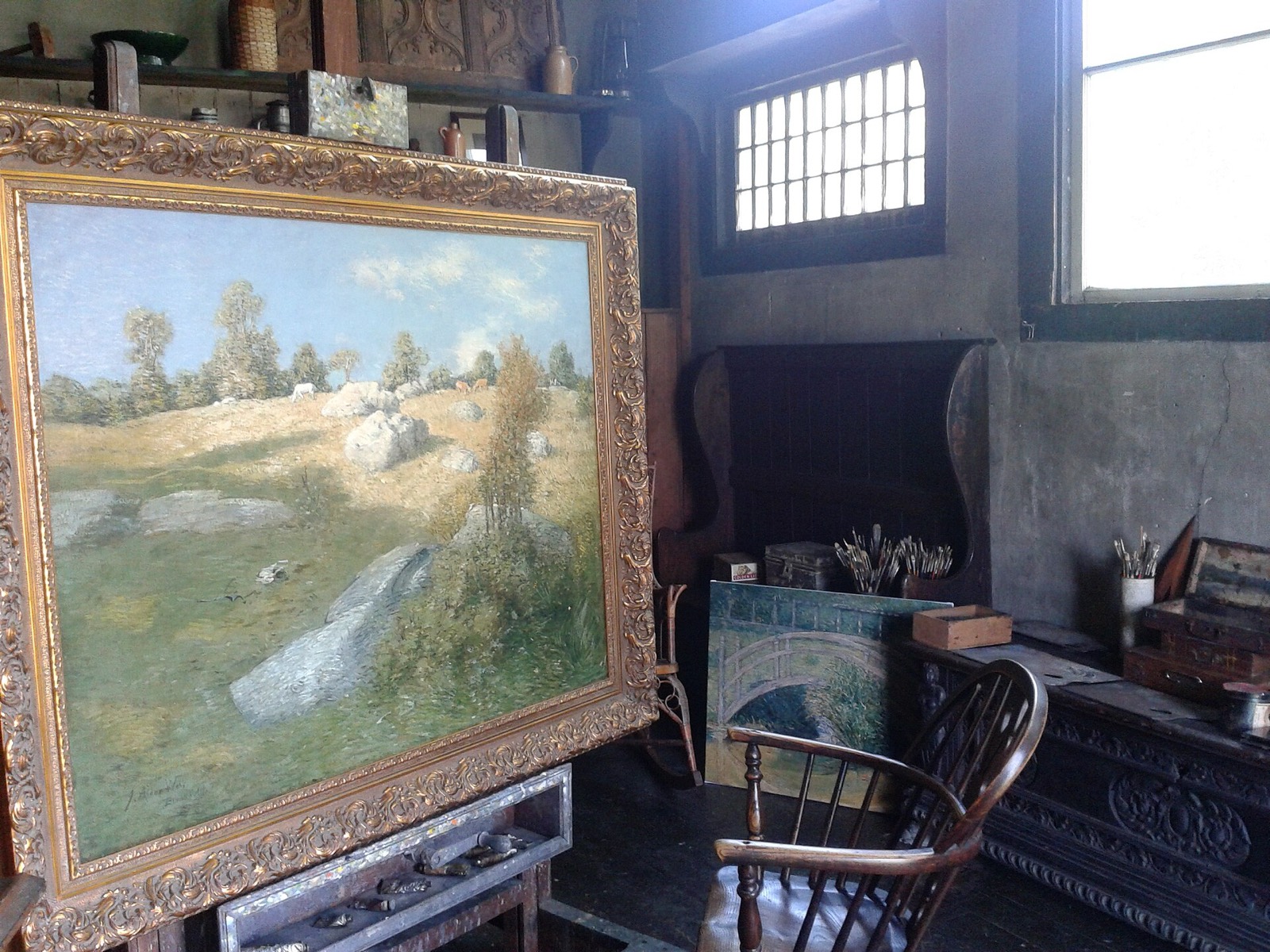
The only national park dedicated to American painting. Home and studio of Impressionist J. Alden Weir, in Wilton.
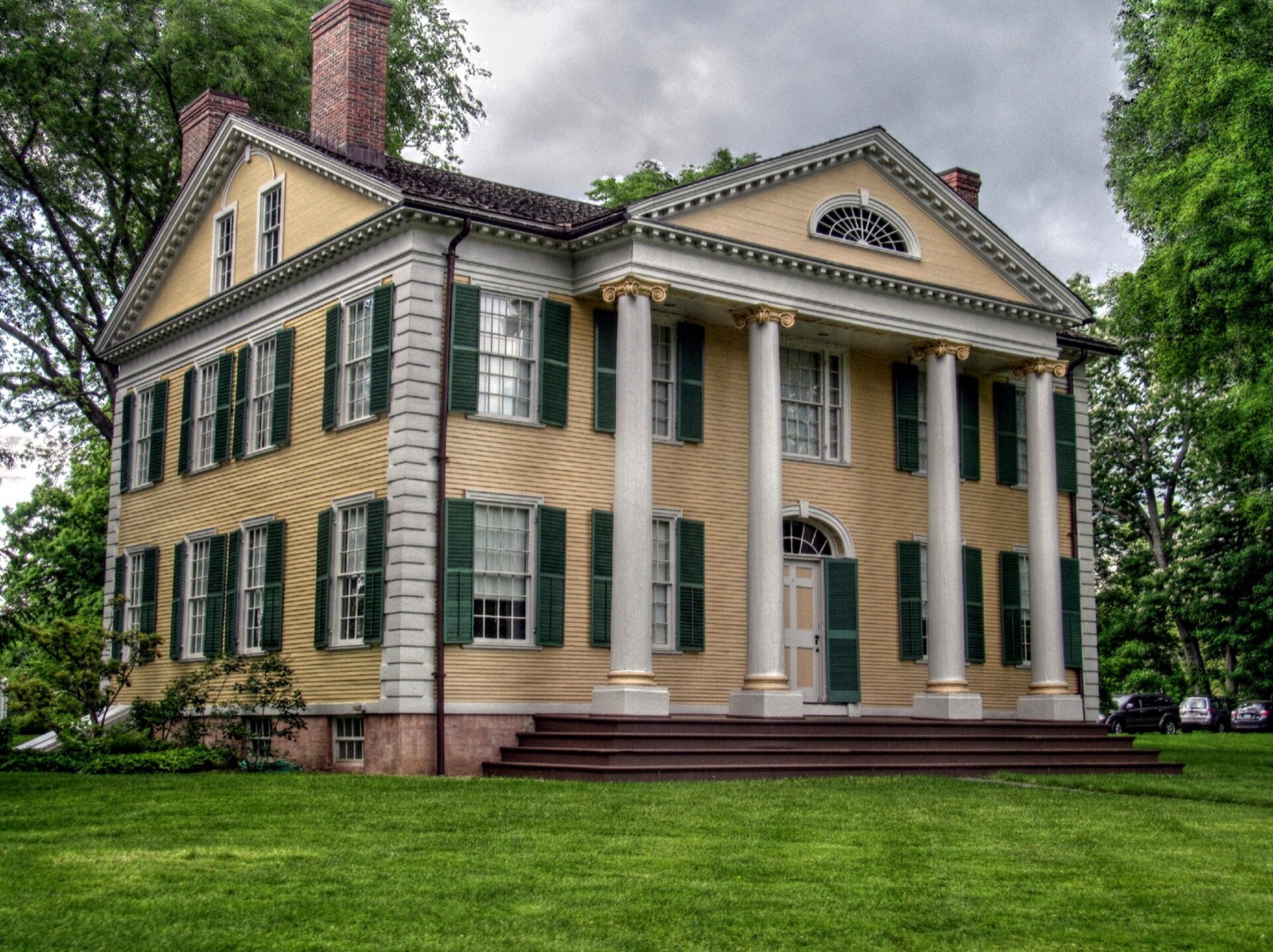
The Old Lyme boarding house that became the center of the Lyme Art Colony and American Impressionism.
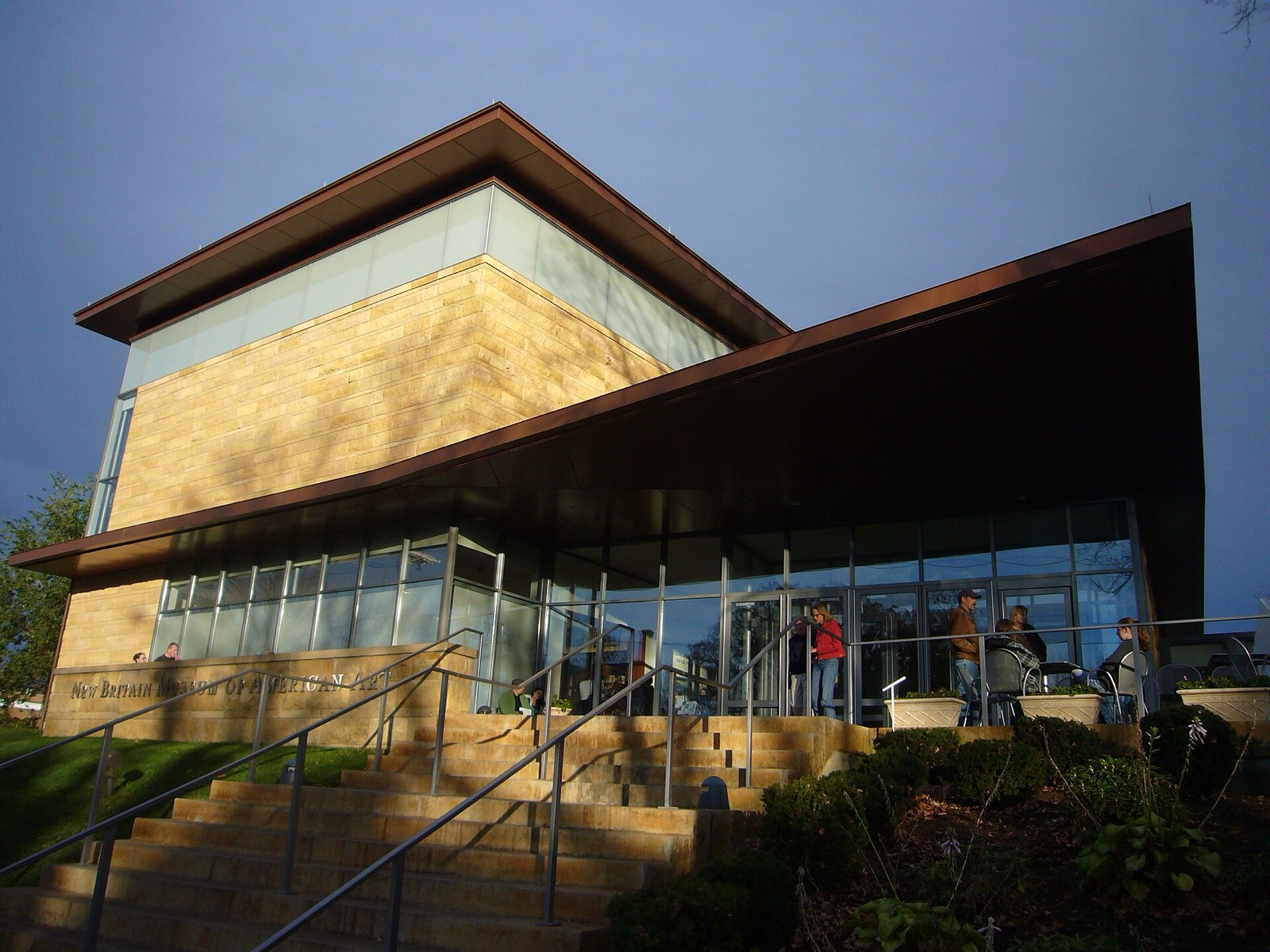
Opened in 1903 as the first museum of American art. Strong holdings in illustration, including Norman Rockwell and N. C. Wyeth.
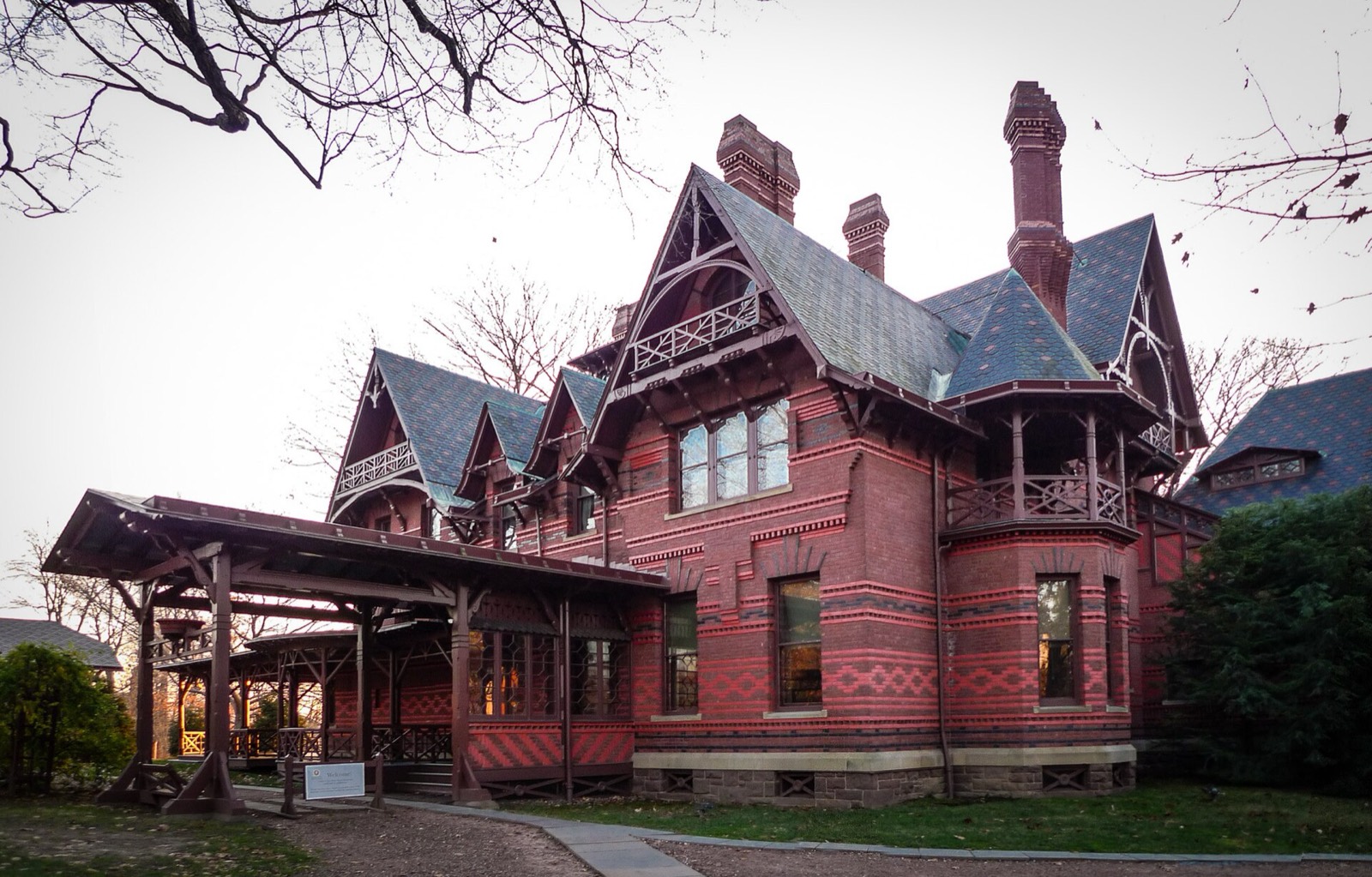
The Hartford house where Mark Twain wrote Tom Sawyer and Huckleberry Finn.
Barry Blitt's New Yorker covers and drawings, made in the Connecticut woods.
The pictures live in The New Yorker, in Blitt the book, and on the walls of people who still think a drawing can indict a presidency. The woods are his. The covers are yours.
The door ↗